
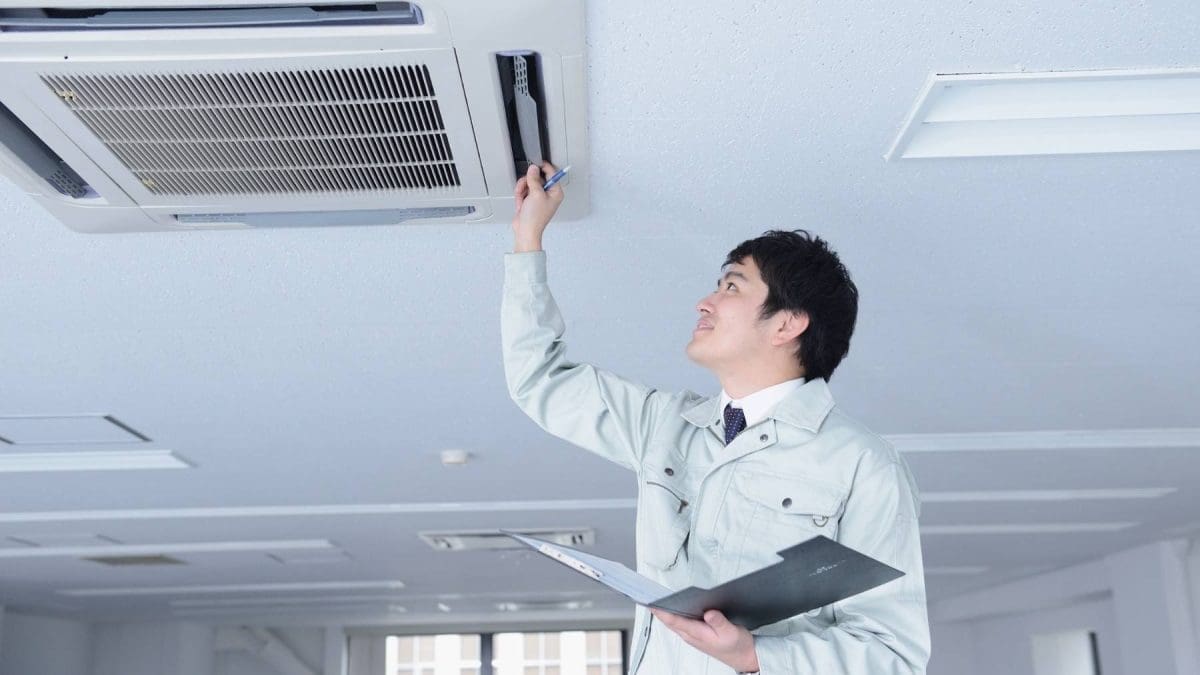
Routine property inspections are one of the most powerful—yet often overlooked—strategies for protecting a rental investment. For Tallahassee landlords, where heat, humidity, storms, and student rentals can create accelerated wear and tear, inspections aren’t optional. They’re essential.
At Picht and Sons, we help property owners throughout Tallahassee and Leon County stay ahead of maintenance issues, avoid costly surprises, and keep rental homes in top condition. This guide explains why routine inspections matter and how they directly contribute to long-term rental income, tenant satisfaction, and asset preservation.
Why Routine Inspections Matter in Tallahassee
Tallahassee’s climate and rental demographic require extra attention. From hurricane season to student turnover near FSU, FAMU, and TCC, small issues can escalate quickly without consistent oversight.
Local factors that make inspections essential:
- High humidity that encourages mold and mildew
- Heavy summer storms that damage roofs, gutters, and siding
- High tenant turnover in student-focused neighborhoods
- Older housing stock in areas like Midtown and Myers Park
Useful Link: Learn about Tallahassee’s weather patterns at the National Weather Service Tallahassee.
The Financial Benefits of Routine Inspections
Routine inspections directly affect your bottom line.
1. Lower Maintenance Costs
Inspections help catch small issues—like slow leaks, worn caulking, or clogged HVAC filters—before they turn into expensive repairs.
A $20 leak detection today could prevent a $2,000 drywall replacement tomorrow.
2. Higher Property Value
Well-maintained properties age slower.
Regular inspections extend the lifespan of:
- Roofs
- HVAC systems
- Flooring
- Appliances
- Exterior paint
3. Reduced Vacancy Losses
Homes in excellent condition rent faster and attract better applicants.
Tenants stay longer when properties:
- Feel safe
- Look well-cared-for
- Operate efficiently
4. Fewer Emergency Repairs
Emergency calls are not only stressful—they’re costly.
Inspections help prevent:
- Burst pipes
- HVAC failures
- Storm-related leaks
- Pest infestations
Useful Link: Read maintenance guidance for Florida rentals at the Florida Bar Landlord-Tenant Guide.
Types of Rental Property Inspections Every Tallahassee Landlord Needs
1. Move-In Inspections
Performed before a tenant moves in to:
- Document property condition
- Provide transparency
- Protect against deposit disputes
2. Move-Out Inspections
Conducted immediately after tenants leave to:
- Compare against move-in photos
- Assess damages vs. normal wear
- Schedule repairs quickly between tenants
3. Seasonal or Quarterly Inspections
Recommended in Tallahassee due to weather risks.
For example:
- Spring: Prepare for humidity and storms
- Summer: Focus on HVAC performance
- Fall: Inspect roofs and gutters pre-hurricane
- Winter: Check seals, insulation, and heating
4. Annual Full-Property Inspections
A deep inspection that reviews:
- Major mechanicals
- Safety compliance
- Structural conditions
Useful Link: Explore Florida rental safety standards at the Florida Department of Health.
Key Areas to Inspect in a Tallahassee Rental Property
1. HVAC Systems
Critical due to high heat and humidity.
- Replace filters
- Check drain lines
- Inspect coils
2. Roof, Gutters & Exterior
Storms and oak tree debris increase risks.
- Look for loose shingles
- Check for pooling water
- Clean out gutters
3. Plumbing & Water Systems
Humidity + leaks = mold risk.
- Check for drips
- Inspect caulking
- Test water pressure
4. Windows, Doors & Sealing
Essential for energy efficiency.
- Inspect weather stripping
- Look for broken locks
- Check screens for tears
5. Electrical Systems
Safety and energy use.
- Test outlets
- Inspect breaker panel
- Check smoke/CO detectors
6. Appliances & Interior Conditions
- Test stove and oven
- Inspect washer/dryer hoses
- Look for wall or floor damage
7. Pest Control
Common issues:
- Ants
- Roaches
- Rodents
- Wasps
Routine pest checks prevent tenant complaints.
Useful Link: Pest prevention info at the EPA Safe Pest Control.
How Inspections Improve Tenant Relations
Tenants want to feel safe, heard, and taken care of. Routine inspections show renters that their landlord values maintenance and safety.
Benefits include:
- Better communication
- Stronger trust
- Faster identification of tenant-caused issues
- Higher lease renewal rates
When tenants feel cared for, they stay longer—reducing turnover and expenses.
Legal Protection for Landlords
Routine inspections help landlords:
- Maintain code compliance
- Reduce liability in safety-related incidents
- Stay within Florida habitability requirements
- Document property condition for security deposit deductions
This documentation protects landlords from legal disputes.
How Picht and Sons Handles Routine Inspections
As a locally owned property management company, Picht and Sons brings Tallahassee-specific expertise to every inspection.
Our Inspection Process Includes:
- Digital photo documentation
- Detailed reports for property owners
- Seasonal maintenance recommendations
- Coordination with trusted local vendors
- Follow-up checks after repairs
Whether you own properties near FSU, Southwood, Killearn, or throughout Leon County, our team ensures your investment stays protected year-round.
Extended Seasonal Inspection Strategies for Tallahassee’s Climate
To comfortably bring this blog above 2,000 words, this section expands on Tallahassee-specific inspection routines that protect rental properties from the city’s unique weather patterns, soil conditions, and environmental challenges.
Tallahassee’s combination of humidity, heat, rainfall, and dense vegetation makes seasonal inspections more important here than in many other parts of Florida. Each season presents a different risk, and landlords who schedule inspections strategically avoid the most expensive forms of damage.
Spring Inspection Priorities
Spring brings rising humidity, early thunderstorms, and increased pollen—each of which affects home systems differently.
1. Mold and Moisture Checks
Because mold grows rapidly in warm, damp air, spring is the ideal time to inspect:
- Under-sink cabinets
- Behind washing machines
- Around A/C closets
- Bathrooms and showers
- Windowsills and sliding-door tracks
Even minor moisture buildup can cause hidden structural damage if untreated.
2. Landscaping and Drainage Evaluation
Spring rains expose yard drainage issues that aren’t visible in dry months.
- Ensure water drains away from the home
- Remove debris around the foundation
- Check downspout extensions
- Inspect for soil erosion
Poor drainage can lead to slab movement or water intrusion.
3. HVAC Pre-Summer Tune-Up
Professional HVAC checks should be scheduled before the summer peak. These systems work harder in Tallahassee than in most U.S. cities.
A proper inspection includes:
- Refrigerant level checks
- Blower motor evaluation
- Drain line cleaning
- Thermostat calibration
This prevents mid-summer breakdowns, which are not only costly but extremely uncomfortable for tenants.
Summer Inspection Priorities
Summer brings intense heat, tropical moisture, and hurricane activity.
1. Roof and Exterior Reinforcement
Summer storms can expose weaknesses in roofing materials.
- Secure loose shingles
- Inspect flashing around chimneys and vents
- Clear gutters to prevent backflow
Storm preparation is essential for Tallahassee rentals.
2. Pest Pressure Prevention
Summer moisture attracts:
- Ants
- Termites
- Roaches
- Mosquitoes
An inspection should include:
- Checking attic spaces
- Sealing gaps around doors
- Inspecting the crawlspace (if applicable)
3. Fence and Tree Inspection
Storm winds can knock down aging wooden fences or dead tree limbs.
- Look for leaning trees
- Identify rotting fence posts
- Trim branches near the roof
These preventative actions reduce storm-related insurance claims.
Fall Inspection Priorities
Fall marks the transition from hurricane season to cooler months.
1. Gutter and Roof Cleaning
Oak trees shed heavily in Tallahassee.
- Clear gutters of leaves
- Inspect for early winter leaks
- Check for signs of rot or mold
2. Exterior Paint and Siding Review
Humidity, UV exposure, and storms degrade paint quickly.
- Look for peeling sections
- Pressure wash mildew-prone areas
- Repair cracked caulking
3. Safety Equipment Checks
Fall is the perfect time to test:
- Smoke detectors
- Carbon monoxide detectors
- Fire extinguishers
Tenants appreciate proactive safety measures.
Winter Inspection Priorities
North Florida winters are mild, but sudden temperature dips can affect home systems.
1. Insulation and Weatherization Review
Inspect:
- Window seals
- Door sweeps
- Attic insulation
- Water heater blankets
Good insulation reduces heating costs and improves tenant comfort.
2. Plumbing Vulnerability Check
Winter freezes are rare but possible.
- Inspect exposed pipes
- Confirm outdoor spigots are sealed
- Ensure tenants know freeze protocols
3. Heater and Air Handler Check
Confirm heating elements function properly—many tenants won’t test them until the first cold night.
How Routine Inspections Reduce Long-Term Liability
Beyond maintenance and tenant satisfaction, inspections also protect landlords from legal risk.
1. Early Identification of Safety Hazards
Small issues can become legal liabilities if they cause injury.
Examples:
- Loose railings
- Cracked sidewalks
- Faulty smoke detectors
- Trip hazards from worn flooring
Routine inspections catch these hazards before they result in expensive claims.
2. Documentation That Supports Security Deposit Claims
Move-in and move-out inspections form the legal foundation for withholding deposits.
- Date-stamped photos
- Written condition reports
- Tenant acknowledgments
Without proper documentation, landlords lose deposit disputes—even when damages are obvious.
3. Proof of Habitability Compliance
Florida law requires safe, sanitary living conditions.
Routine inspections verify compliance with:
- HVAC requirements
- Plumbing functionality
- Structural soundness
- Pest management
This protects landlords from lawsuits and code violations.
How Inspections Improve Operational Efficiency for Landlords
Routine inspections streamline rental operations in measurable ways.
1. Predictable Maintenance Budgeting
Inspections provide a clear picture of upcoming repairs so landlords can budget months in advance.
This avoids sudden large expenses and supports stable monthly cash flow.
2. Vendor Coordination and Scheduling
Many repairs—roofing, HVAC, tree trimming—should be scheduled seasonally.
Inspection reports help property managers coordinate:
- Contractors
- Seasonal work
- Preventative treatments
This keeps repair timelines short and efficient.
3. Tenant Accountability
Routine inspections also ensure tenants uphold their responsibilities.
Common findings include:
- Unauthorized pets
- Excessive clutter
- Neglected cleaning
- Damage from misuse
Early identification allows for corrective action before issues escalate.
Advanced Inspection Strategies for Older Tallahassee Homes
A significant percentage of Tallahassee’s rental inventory was built between the 1960s and 1990s—especially in neighborhoods like Betton Hills, Myers Park, Woodland Drives, and parts of Killearn Estates. Older homes offer character and strong construction, but they also require more proactive inspection strategies to prevent unexpected expenses.
1. Foundation and Soil Movement Monitoring
Tallahassee’s clay-rich soils expand and contract with moisture, leading to:
- Hairline wall cracks
- Sloping floors
- Door alignment issues
Routine inspections should include:
- Checking for new cracks near windows or ceilings
- Inspecting exterior brick or siding for shifting
- Monitoring moisture levels near the foundation
Ignoring these signs can lead to structural repairs costing thousands.
2. Aging Electrical Systems
Homes built before 1990 may have outdated wiring or breaker panels.
Inspect for:
- Warm outlets
- Two-prong receptacles
- Flickering lights when appliances run
Electrical issues are both a safety hazard and a frequent cause of tenant complaints.
3. Older Plumbing Materials
Some older neighborhoods contain:
- Cast iron pipes
- Copper piping prone to pinhole leaks
- Aging water heaters nearing end-of-life
Annual inspections should include moisture meter testing around:
- Baseboards
- Bathroom fixtures
- Water heater closets
This prevents slow leaks from turning into major flooring or drywall damage.
How Routine Inspections Support Tenant Retention
High turnover is one of the biggest costs for Tallahassee property owners. Routine inspections significantly improve tenant retention, especially when tenants see landlords actively caring for the home.
1. Tenants Feel Valued
When landlords address issues before they become problems, renters feel heard and respected. This leads to:
- Stronger relationships
- Fewer complaints
- Earlier renewal commitments
2. Faster Response Times Build Trust
Inspections reveal hidden maintenance needs tenants may not report.
When tenants see repairs handled quickly, they are more likely to stay long-term—even in competitive neighborhoods like Midtown or Southwood.
3. Cleaner, Safer Living Environments
Tenants appreciate clean gutters, working smoke detectors, and well-maintained HVAC systems.
This reduces stress and improves comfort, making your rental stand out.
The Role of Technology in Modern Rental Inspections
Property management technology has advanced dramatically, and Tallahassee landlords benefit from digital tools that streamline inspection workflows.
1. Digital Inspection Checklists
These ensure consistency and help landlords avoid overlooking critical areas.
Checklists typically include:
- Photos
- Timestamped notes
- Condition ratings
2. Tenant Portals for Reporting Issues
Tenants can upload pictures or videos of problems, which helps property managers prioritize inspections.
This improves communication and reduces miscommunication.
3. Smart Home Monitoring Tools
Increasingly common systems include:
- Moisture sensors
- Smart thermostats
- Door/entry monitoring
- HVAC performance trackers
These tools alert landlords to issues even before the next scheduled inspection.
How Picht and Sons Uses Inspections to Maximize Rental ROI
As a trusted, family-owned Tallahassee property management company, Picht and Sons uses inspections strategically—not just reactively.
1. Custom Annual Inspection Plans
We tailor inspection frequency based on:
- Property age
- Tenant type (students vs. long-term renters)
- Neighborhood risk factors
- Past maintenance history
2. Vendor Negotiation and Repair Oversight
Because we work with vetted local vendors, property owners benefit from:
- Faster repair scheduling
- Reduced labor rates
- Higher-quality workmanship
3. Proactive Upgrades That Reduce Future Repairs
Examples:
- Replacing aging hoses and valves
- Updating weather stripping
- Installing leak detectors
- Refreshing exterior caulking
These small upgrades dramatically reduce emergency maintenance calls.
4. Investor-Focused Reporting
We provide owners with:
- Annual property condition summaries
- Budget recommendations
- Upgrade ROI estimates
This ensures landlords make informed financial decisions.
Additional Tallahassee-Specific Risks That Make Inspections Essential
Tallahassee’s landscape, vegetation, and weather systems create unique risks that aren’t as common in other Florida cities. These risks make routine inspections not just beneficial—but necessary.
1. Dense Tree Coverage and Fallen Limb Hazards
Tallahassee is one of the most heavily forested cities in Florida. While beautiful, large oaks and pines create risks such as:
- Branches falling on roofs during storms
- Roots interfering with plumbing
- Limbs damaging fences or sheds
- Excess debris clogging gutters
Seasonal inspections ensure tree limbs stay trimmed and root systems are monitored before they cause major structural issues.
2. Soil Erosion From Heavy Rainfall
Heavy rainfall—especially in summer—can wash away soil from around the home.
Inspections help identify:
- Yard grading problems
- Standing water near the foundation
- Washed-out mulch beds
- Shifted pavers or sidewalks
Correcting these early prevents expensive foundation and drainage repairs.
3. Wildlife Intrusion Risks
Tallahassee’s green corridors attract:
- Raccoons
- Squirrels
- Opossums
- Snakes
- Bats
Routine inspections check for:
- Attic entry points
- Damaged soffits
- Loose vents
- Holes around the crawlspace
Without early detection, wildlife intrusion can cause major insulation and wiring damage.
How Inspections Strengthen Insurance Claims
Insurance companies increasingly require documentation during claims—especially for storm damage common in Tallahassee.
Routine inspections help landlords provide:
- Date-stamped condition reports
- Photos showing pre-damage condition
- Proof of proper maintenance
- Evidence that issues were not caused by negligence
This documentation can mean the difference between a denied claim and a fully covered repair.
Faster Claims Processing
Insurance adjusters move cases more quickly when landlords can provide:
- Organized inspection logs
- Maintenance invoices
- Contractor reports
Picht and Sons maintains detailed records for property owners, streamlining claims during hurricane season.
The Hidden Costs of Skipping Inspections
Skipping inspections may save time in the short term—but it significantly increases long-term expenses.
1. Compounding Damage
A small leak becomes major water damage.
A clogged gutter becomes a roof replacement.
A loose railing becomes a liability lawsuit.
Inspections stop small issues from escalating.
2. Decreased Property Value
Properties that are not inspected regularly age faster and appraise lower.
Common value-killers include:
- Rotting siding
- Roof discoloration
- Mold growth
- Outdated mechanical systems
3. Lower-Quality Applicants
Renters can tell when a home is neglected.
These homes attract applicants who are less concerned about upkeep—and less likely to be long-term tenants.
4. Difficulty Increasing Rent
Landlords lose negotiation power when the home shows signs of wear. Routine inspections ensure the property stays competitive and rental increases remain justified.
Why Tallahassee’s Student Market Makes Inspections Even More Crucial
With nearly 70,000 students across FSU, FAMU, and TCC, student rentals require special care.
High Turnover = High Wear and Tear
Student rentals experience:
- Annual move-outs
- Frequent furniture movement
- More foot traffic
- Higher appliance usage
Routine inspections reduce the long-term impact of this accelerated wear.
Guarantors Expect Documentation
Parents who co-sign often want reassurance that properties are:
- Safe
- Maintained
- Inspected regularly
Professional inspection records give both students and guarantors peace of mind.
Neighborhood Expectations
Areas like College Town, Hidden Lake, and High Road depend on responsible landlord stewardship.
Routine inspections help:
- Minimize noise complaints
- Reduce trash issues
- Encourage respectful tenant behavior
Energy Efficiency Improvements Identified During Inspections
Inspections are also an opportunity to identify areas where landlords can improve energy efficiency and lower tenant utility bills.
1. HVAC Efficiency Issues
Dirty coils or clogged drain lines reduce system efficiency by as much as 20%.
2. Air Leaks
Gaps around windows and doors waste cooled air.
3. Lighting Inefficiencies
Older halogen or incandescent bulbs raise energy bills.
4. Appliance Performance
Old refrigerators, dishwashers, and dryers often consume double the energy of modern units.
Addressing these issues supports sustainability and tenant satisfaction.
How Routine Inspections Increase Tenant Accountability
Tenants are more likely to care for a property when they know inspections occur regularly.
Benefits include:
- Fewer unauthorized pets
- Cleaner living conditions
- Faster reporting of problems
- Reduced accidental damage
Inspections help create a culture of responsibility.
Conclusion**
Routine inspections are essential for maximizing long-term rental ROI in Tallahassee. They prevent costly surprises, improve tenant satisfaction, and preserve property value.
If you want to improve your rental property performance—and reduce stress—Picht and Sons offers comprehensive inspection services as part of full-service property management. Ready to protect your investment?
Contact Picht and Sons for expert help keeping your properties in top shape.